Process
Jonathan Knight works in clay because it allows the sculpture to evolve directly. In his own words, “Clay doesn’t resist my idea, but often rewards me with a new direction.”
He describes his design process as rudimentary. “I often just scribble something down on the back of an envelope or quickly in a sketchbook.”
More often than not, it’s a germ of an idea that’s lain dormant for maybe years, which suddenly comes to life”.
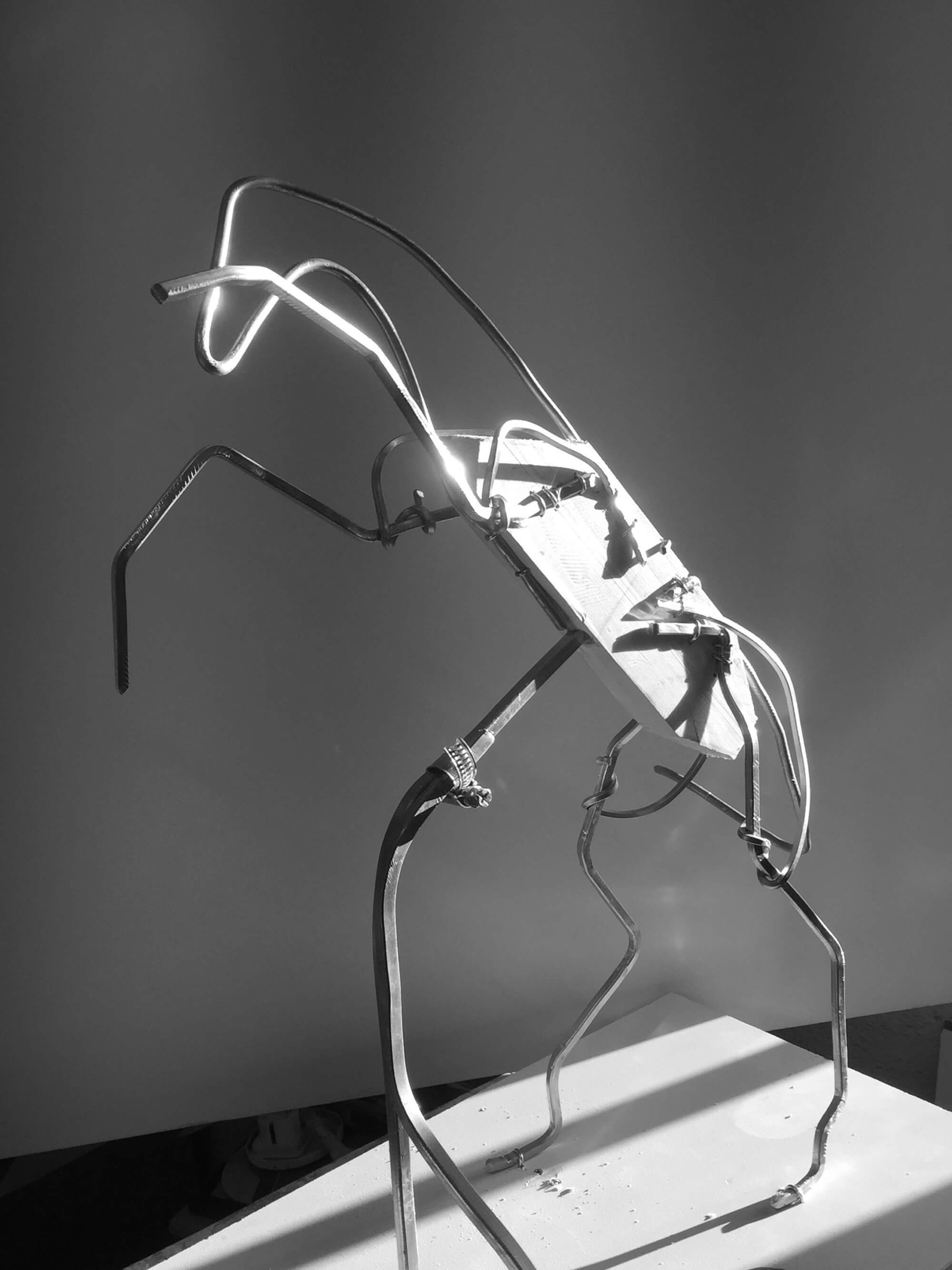
Technical questions might then be resolved through drawing or as the wire armature is constructed, but nowadays he prefers the sculpture to develop as spontaneously as possible.
“I don’t really know what the work is about until it exists.”
To preserve that spontaneity, clay maquettes are seldom translated into hard plaster. Instead they move directly towards casting, allowing the finished bronze to retain the vitality of the original modelling.
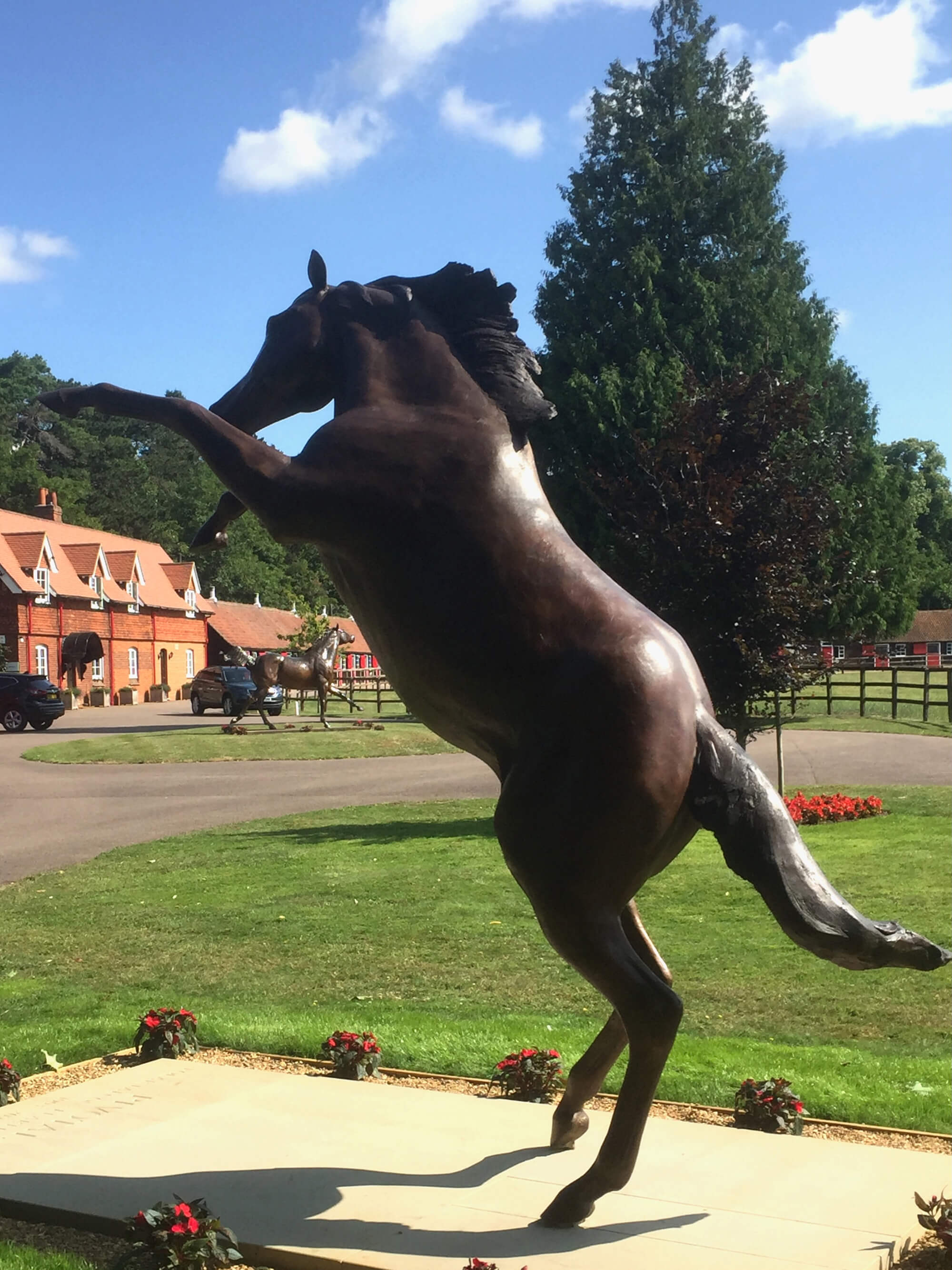
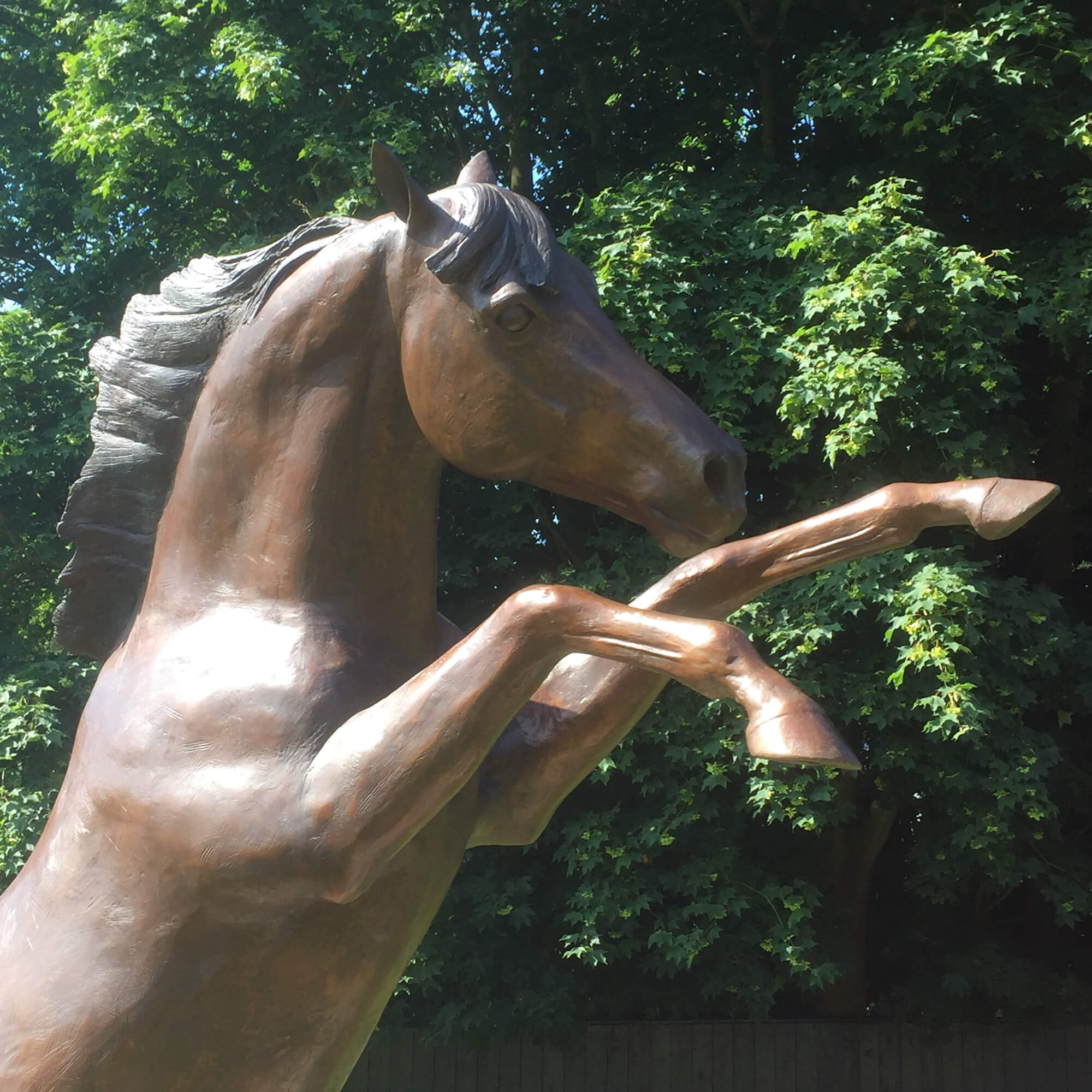
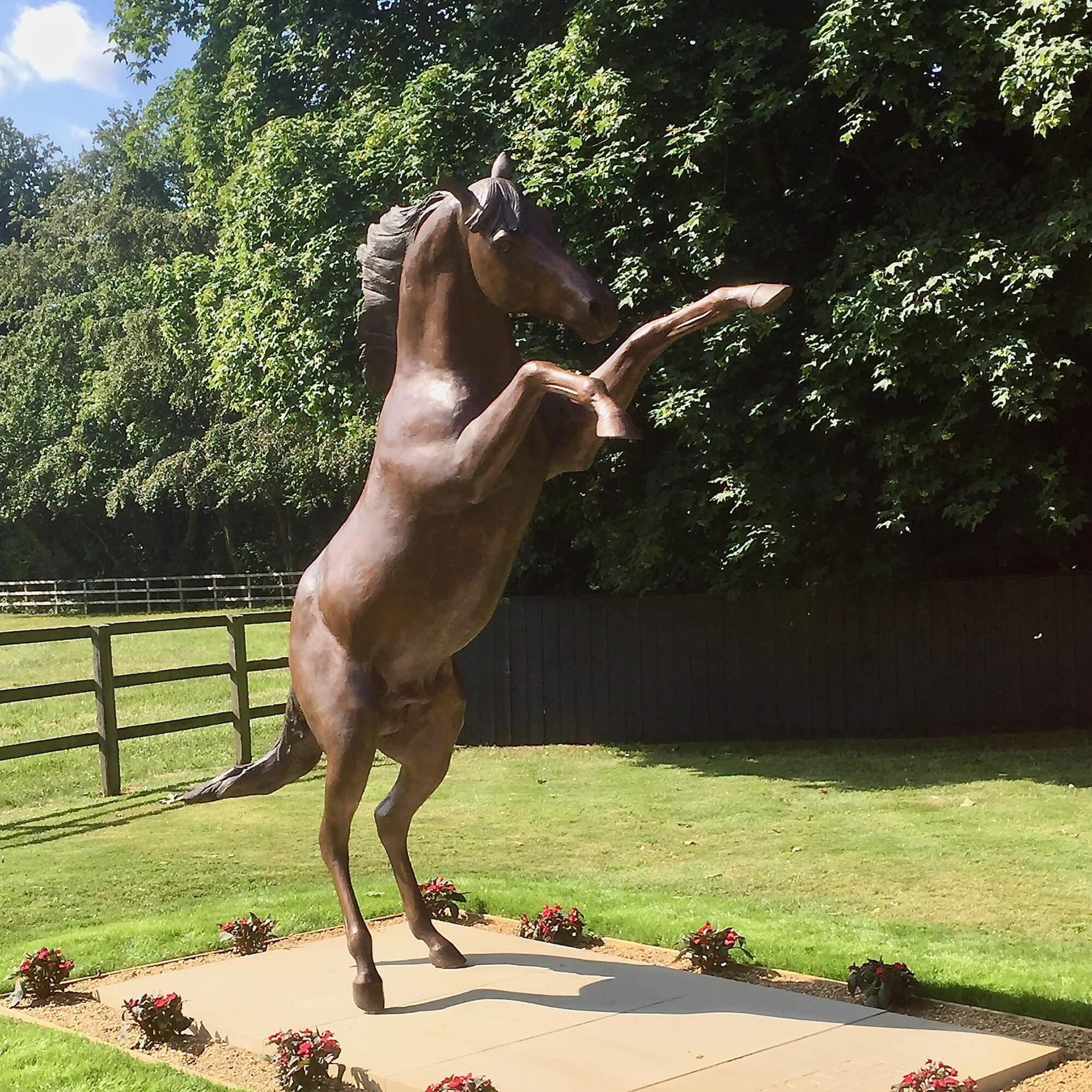
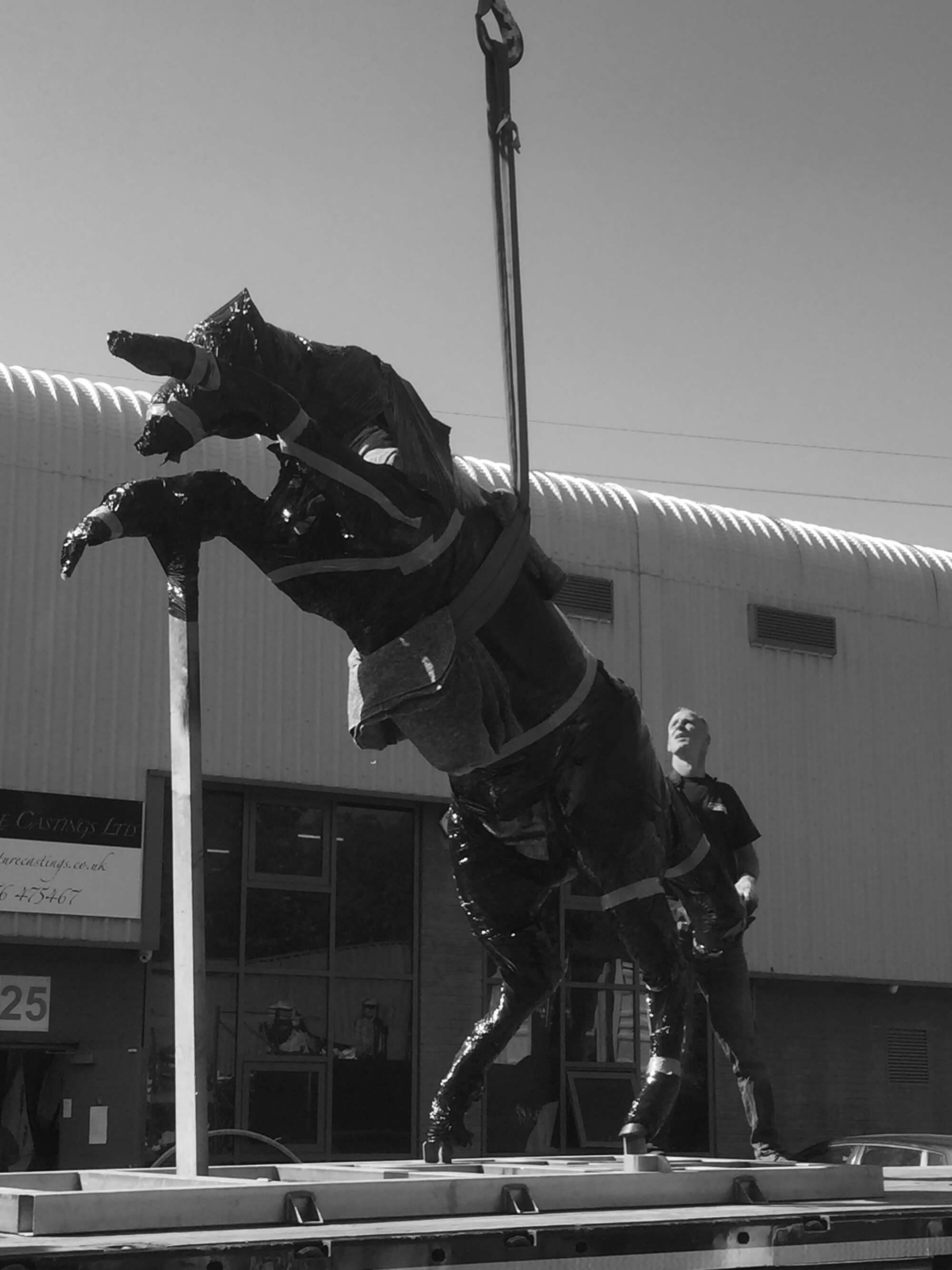
The following sequence follows the creation of the life-size bronze of Pivotal for Cheveley Park Stud, Newmarket from initial maquette or working model to final installation of the finished bronze.
(scroll down to view the process)
(01)
(02)
(03)
(04)
(05)
(06)
(07)
(08)
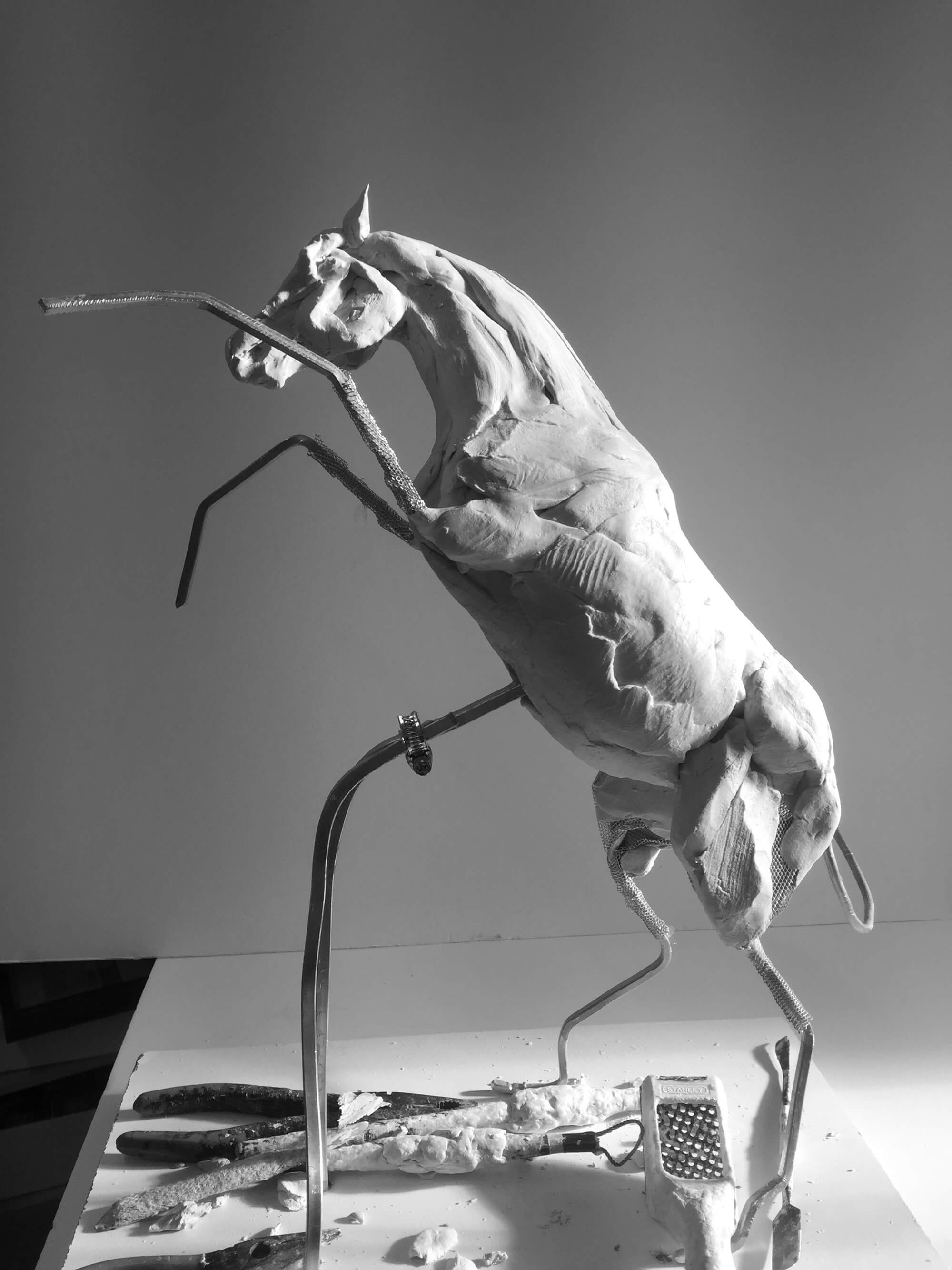
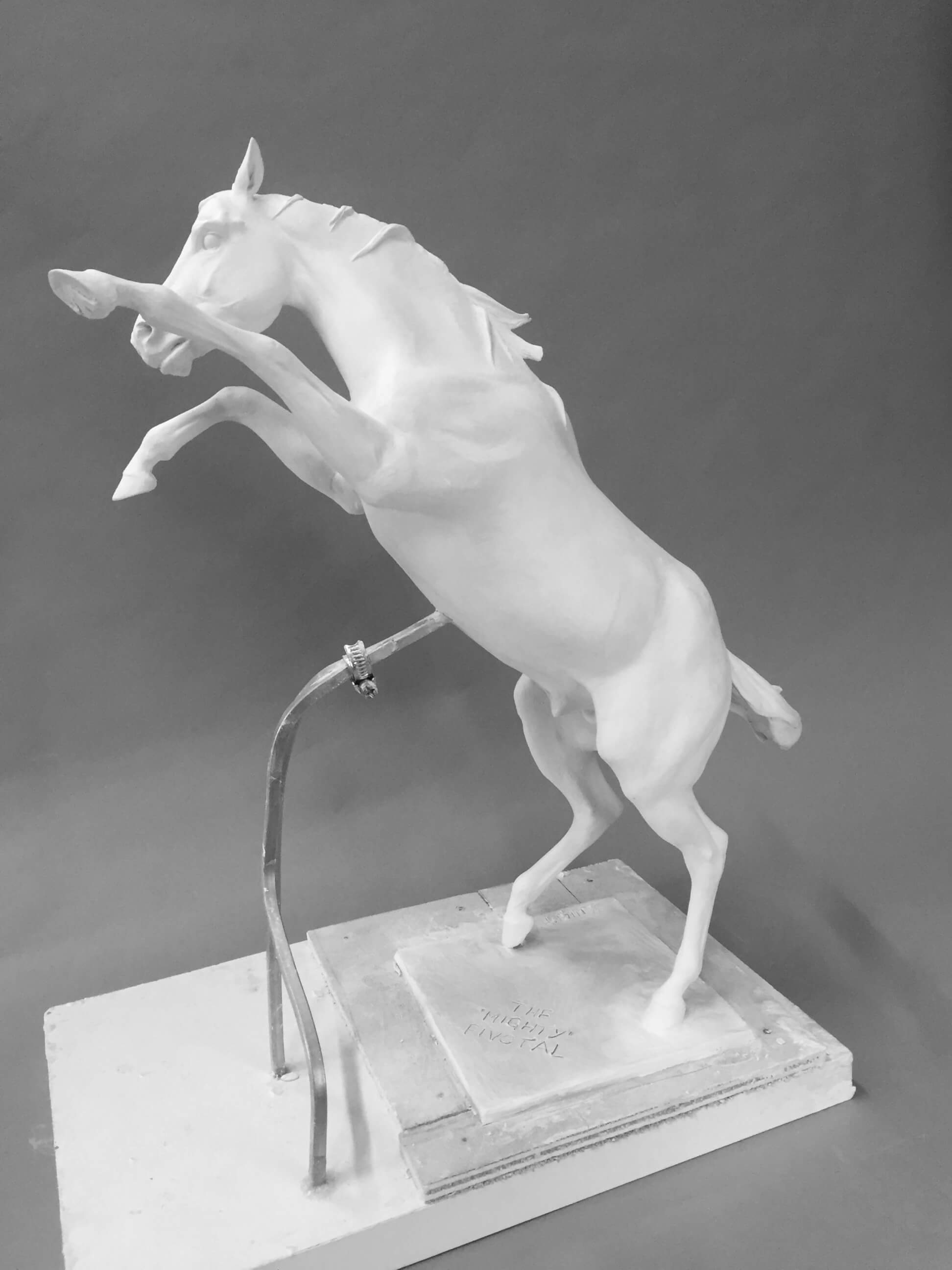
(01)
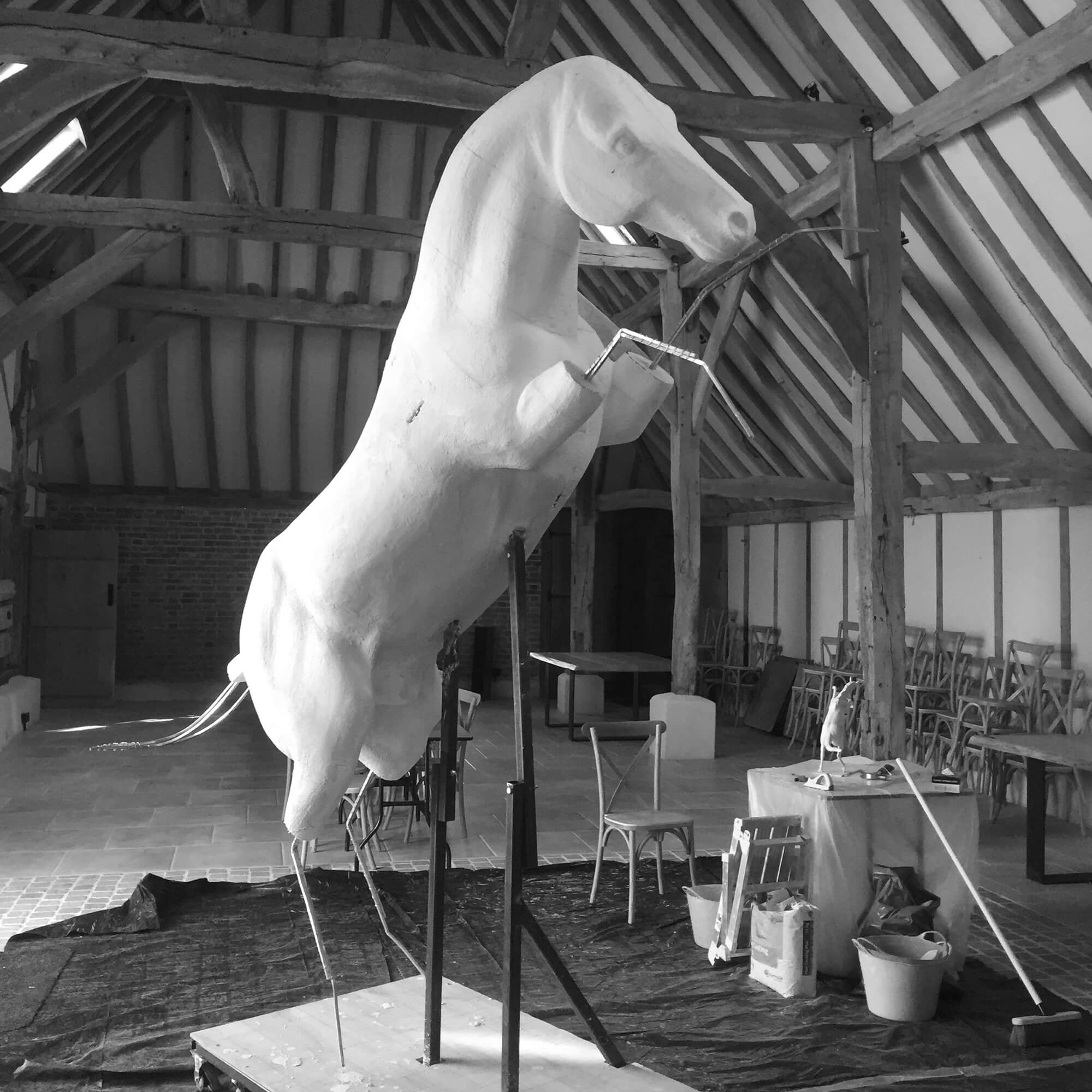
(02)
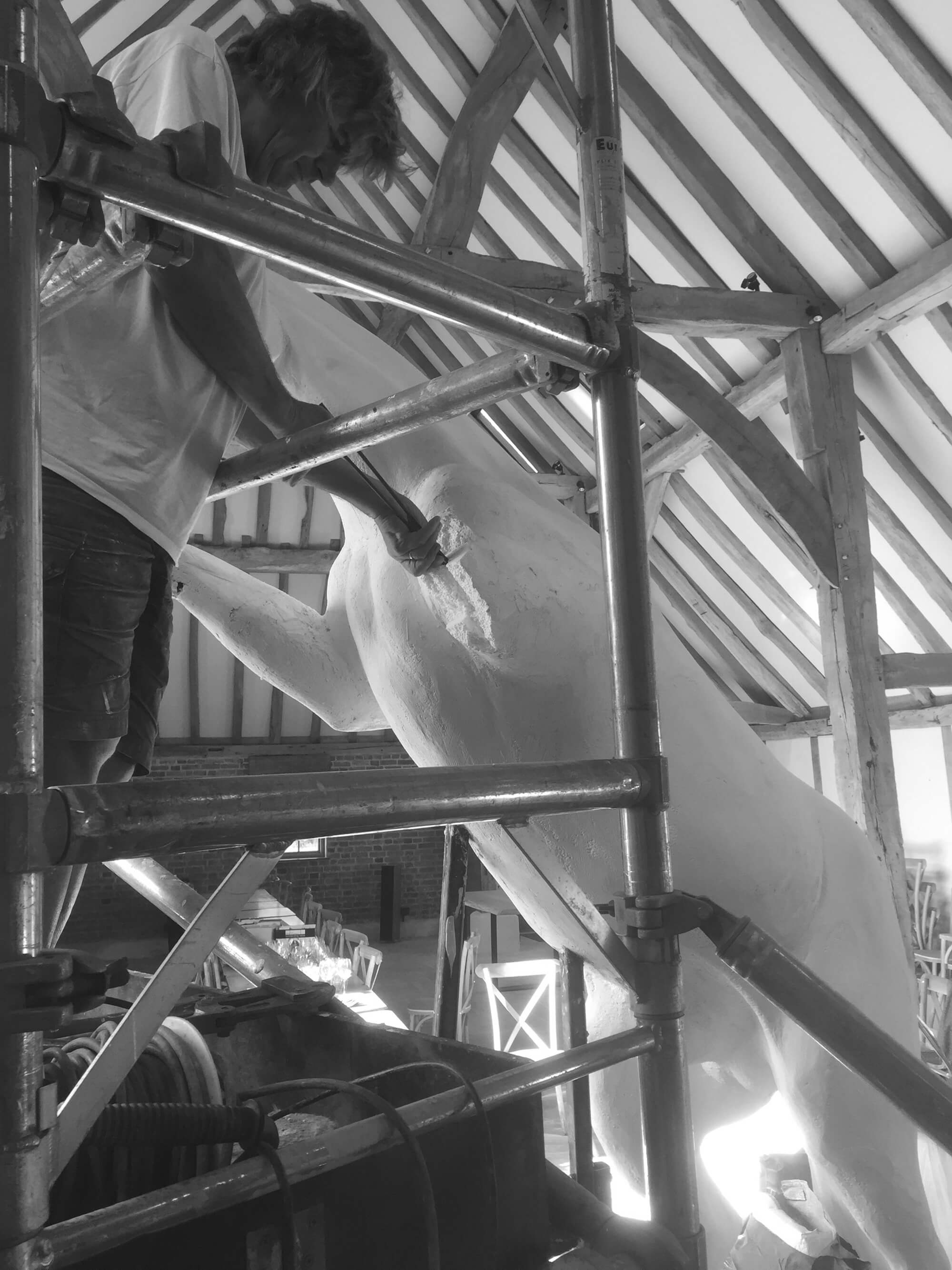
(03)
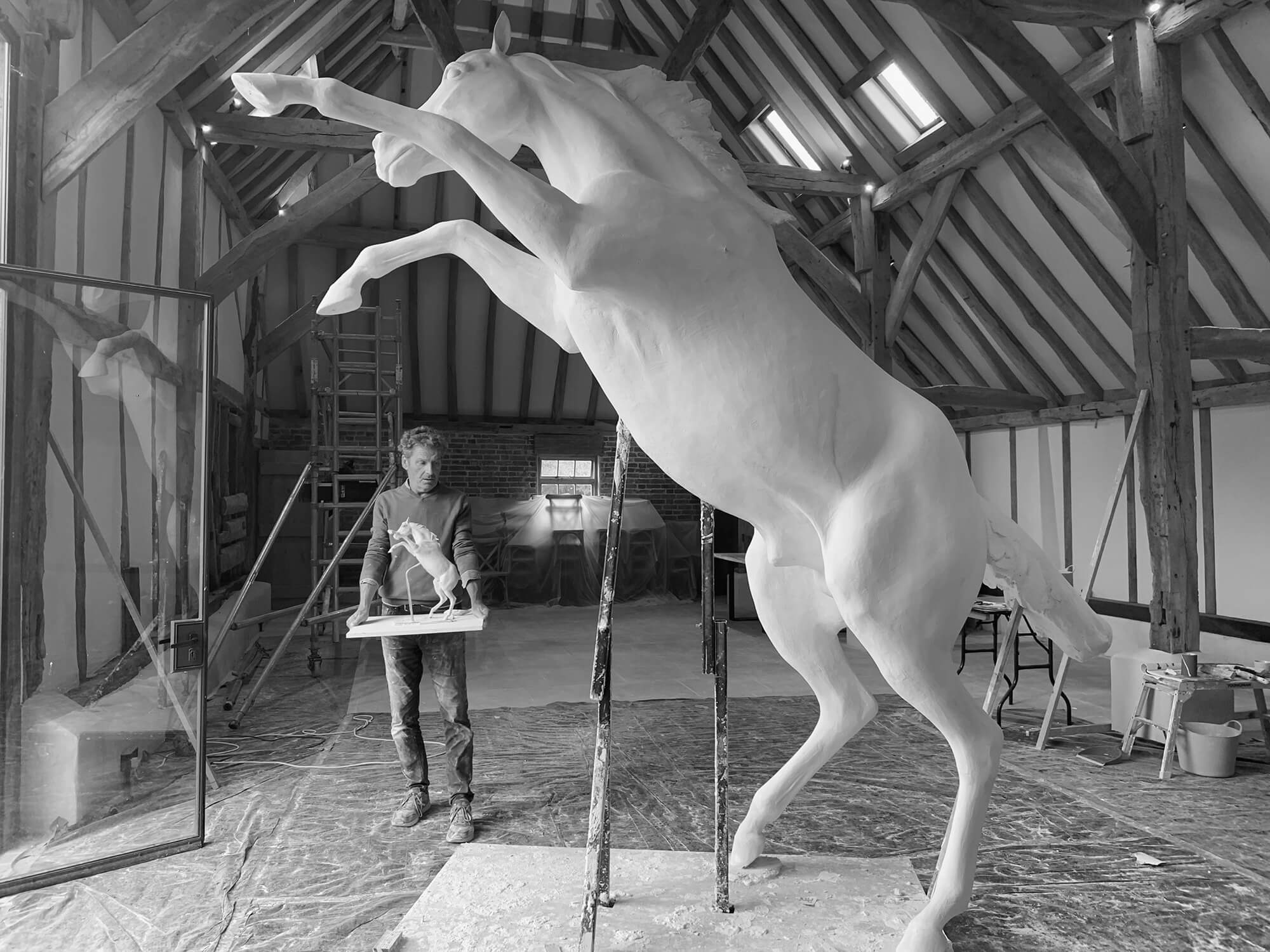
(04)
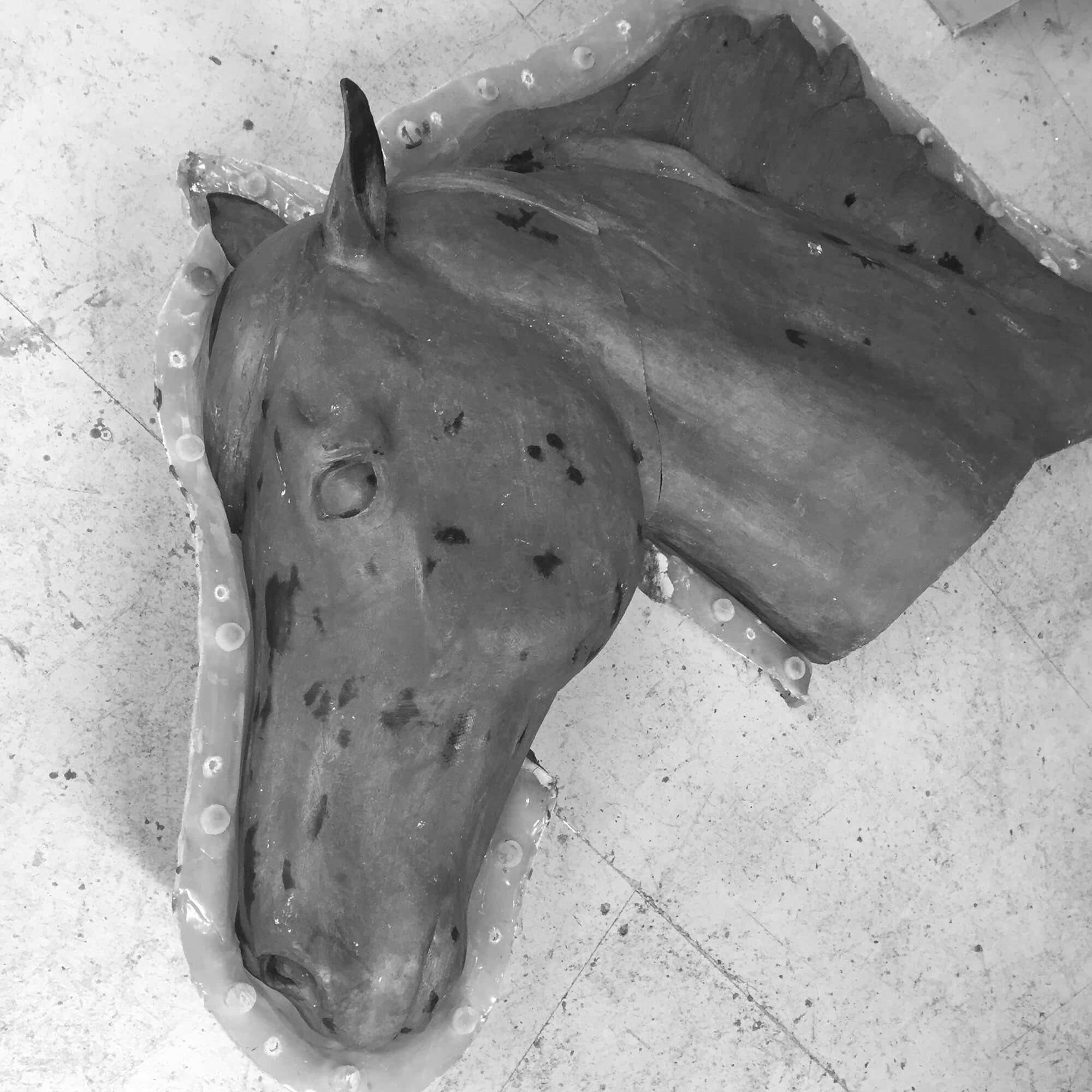
(05)
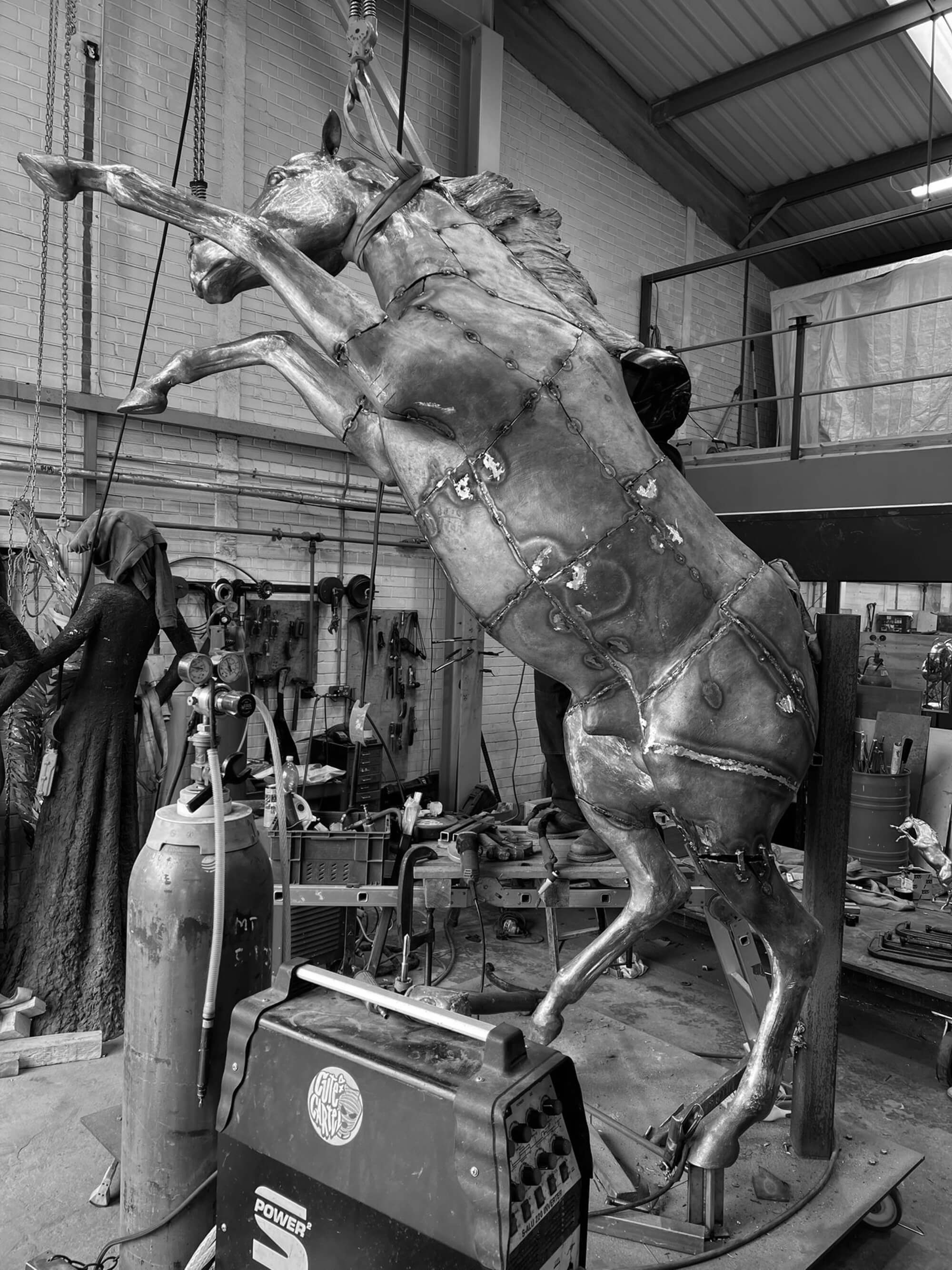
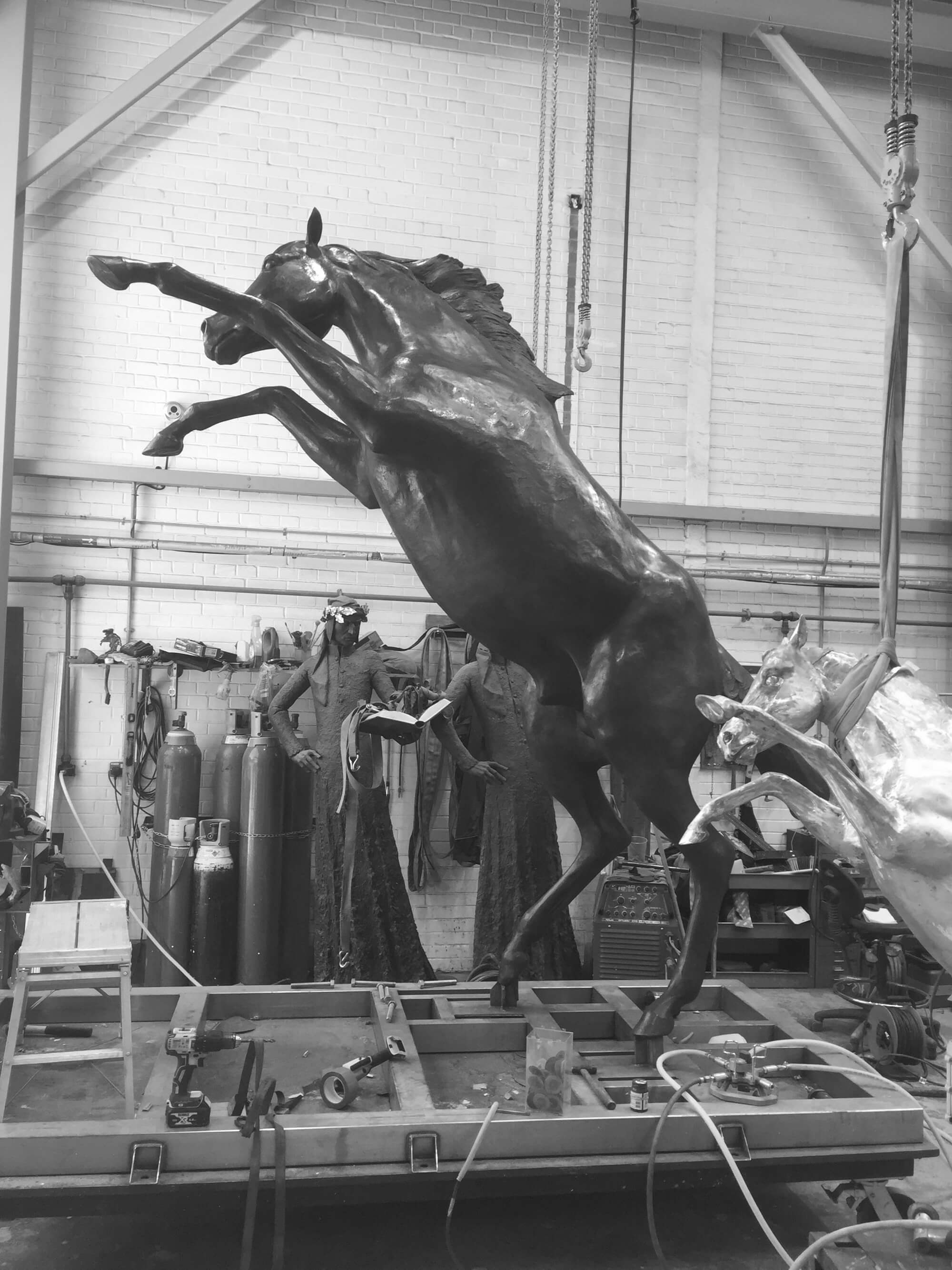
(06)
(07)